
Pavement Designed for Commercial Traffic
Parking Lots in Missoula for businesses and property managers dealing with rutting, drainage problems, or surfaces deteriorated beyond patching
Rutting along traffic lanes and standing water after storms indicate that the base has failed or the surface lacks adequate slope for drainage. Blackfoot Asphalt constructs and repairs commercial parking lots in Missoula where deteriorated pavement affects customer access, liability exposure, and property appearance. New installations require base preparation and grading that prevent the premature failure common when contractors skip compaction steps or use inadequate asphalt thickness for the traffic load.
Parking lot construction begins with excavation and base grading, followed by compacted aggregate base layers and asphalt placement to specified thickness. Proper drainage design prevents water from pooling on the surface or saturating the base, which leads to potholes and edge cracking during freeze-thaw cycles.
Request a site assessment to evaluate base conditions and determine grading and thickness requirements.

What Changes After New Pavement Installation
Base compaction and asphalt thickness determine whether your parking lot handles daily traffic without rutting or develops surface deterioration within a few seasons. Aggregate base must be compacted in lifts to achieve density that supports weight without shifting, and asphalt thickness depends on whether the lot serves passenger vehicles only or includes delivery trucks and heavy equipment.
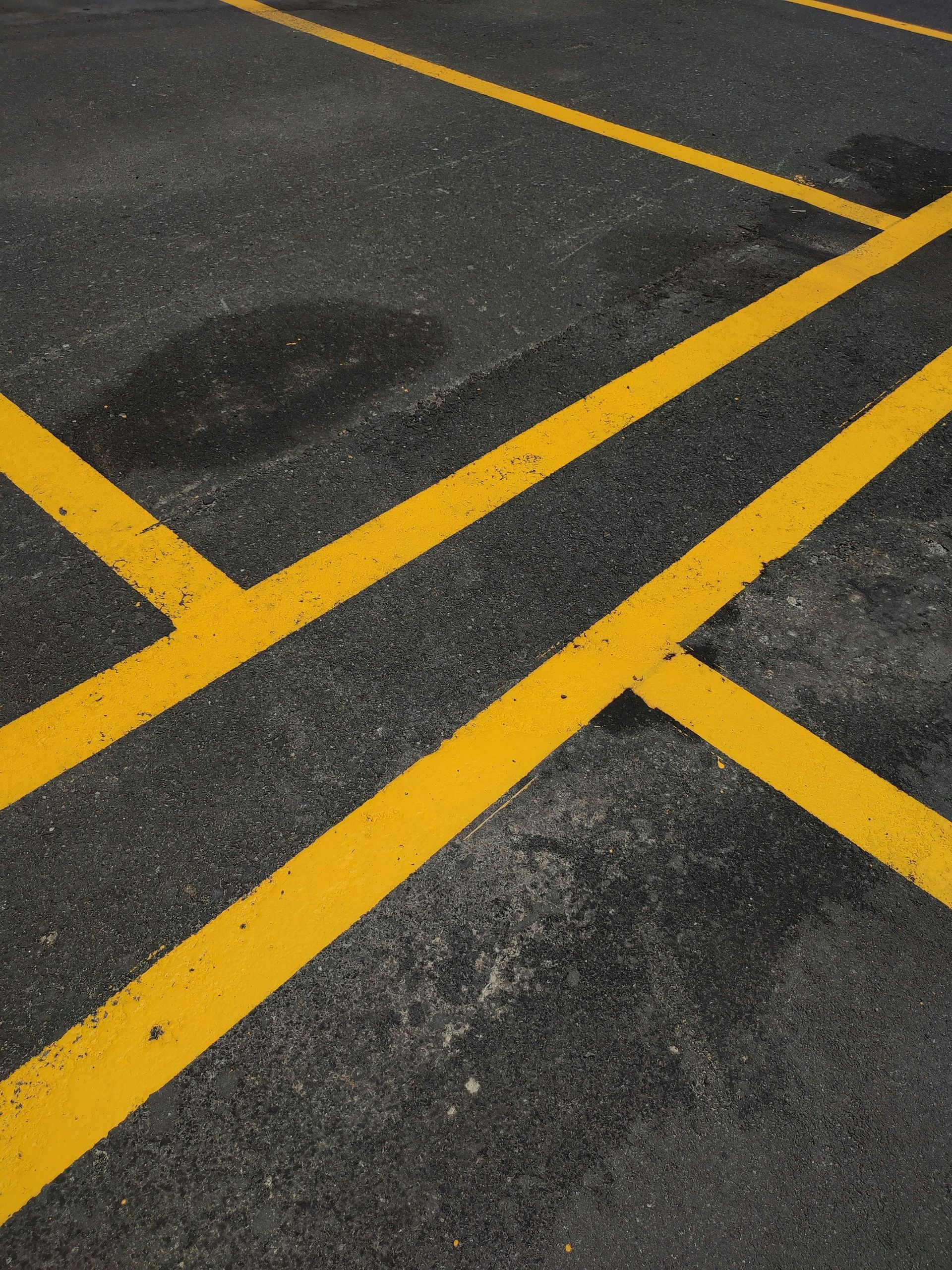
After installation, the lot drains without pooling, vehicles travel over smooth pavement without jarring transitions or potholes, and the surface resists cracking through winter freeze-thaw cycles. Striping and curbing direct traffic flow and define parking spaces, while catch basins or grading channels prevent water from undermining the pavement edges where deterioration typically begins.
Installation includes saw-cut edges for clean transitions to existing pavement, placement of geotextile fabric where subgrade conditions require stabilization, and compaction testing to verify base density before asphalt placement. Sealcoating is applied after initial curing to protect the surface from oxidation and moisture intrusion.
Common Questions About This Service
Property managers and business owners in Missoula often need clarification on specifications, maintenance intervals, and how local climate affects pavement longevity.
What asphalt thickness does a commercial lot require?
Lots serving passenger vehicles typically need three inches of asphalt over six inches of compacted aggregate base, while areas with truck traffic or heavy equipment require four-inch asphalt and thicker base to prevent rutting under load.
How does winter maintenance affect pavement life?
Snowplow damage and freeze-thaw cycling cause surface cracking and edge deterioration, which is why lots in Missoula benefit from sealcoating every two to three years and prompt repair of cracks before moisture penetrates the base.
Why do potholes form in the same spots each year?
Potholes develop where water saturates the base through cracks or poor drainage, then freezes and expands—repeated patching fails unless the underlying drainage problem and base deterioration are addressed during repair.
What preparation does an overlay require?
Overlay requires milling or removal of failed sections, repair of base problems, crack sealing, and cleaning before new asphalt bonds to the existing surface—skipping these steps results in reflection cracking and premature overlay failure.
Blackfoot Asphalt handles parking lot installation and repair throughout Missoula, Florence, Hamilton, and Stevensville, coordinating work schedules to minimize business disruption. Schedule an evaluation to review current pavement conditions and discuss project phasing options.