
Structural Support That Prevents Settling
Foundations in Hamilton for new construction and additions requiring stable, code-compliant bases that resist frost heave and moisture intrusion
Foundation work in western Montana must account for frost depth, soil bearing capacity, and seasonal groundwater fluctuations that cause settling or cracking when installation shortcuts are taken. Blackfoot Asphalt installs residential and commercial foundations in Hamilton where structural loads demand proper excavation depth, reinforcement placement, and drainage integration. Properties with expansive soils or high water tables require specific footing design and perimeter drainage to prevent the movement that leads to cracked walls and uneven floors.
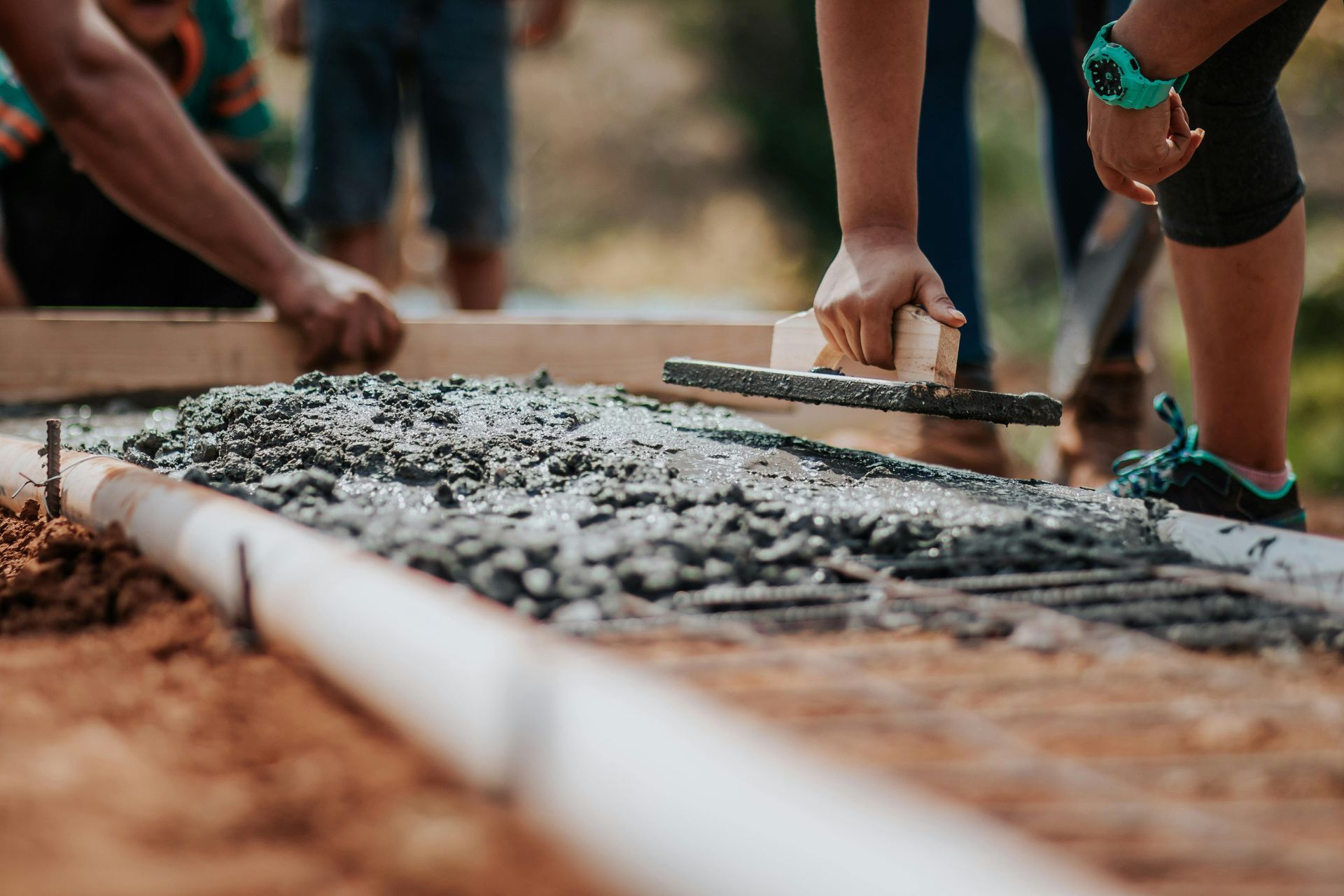
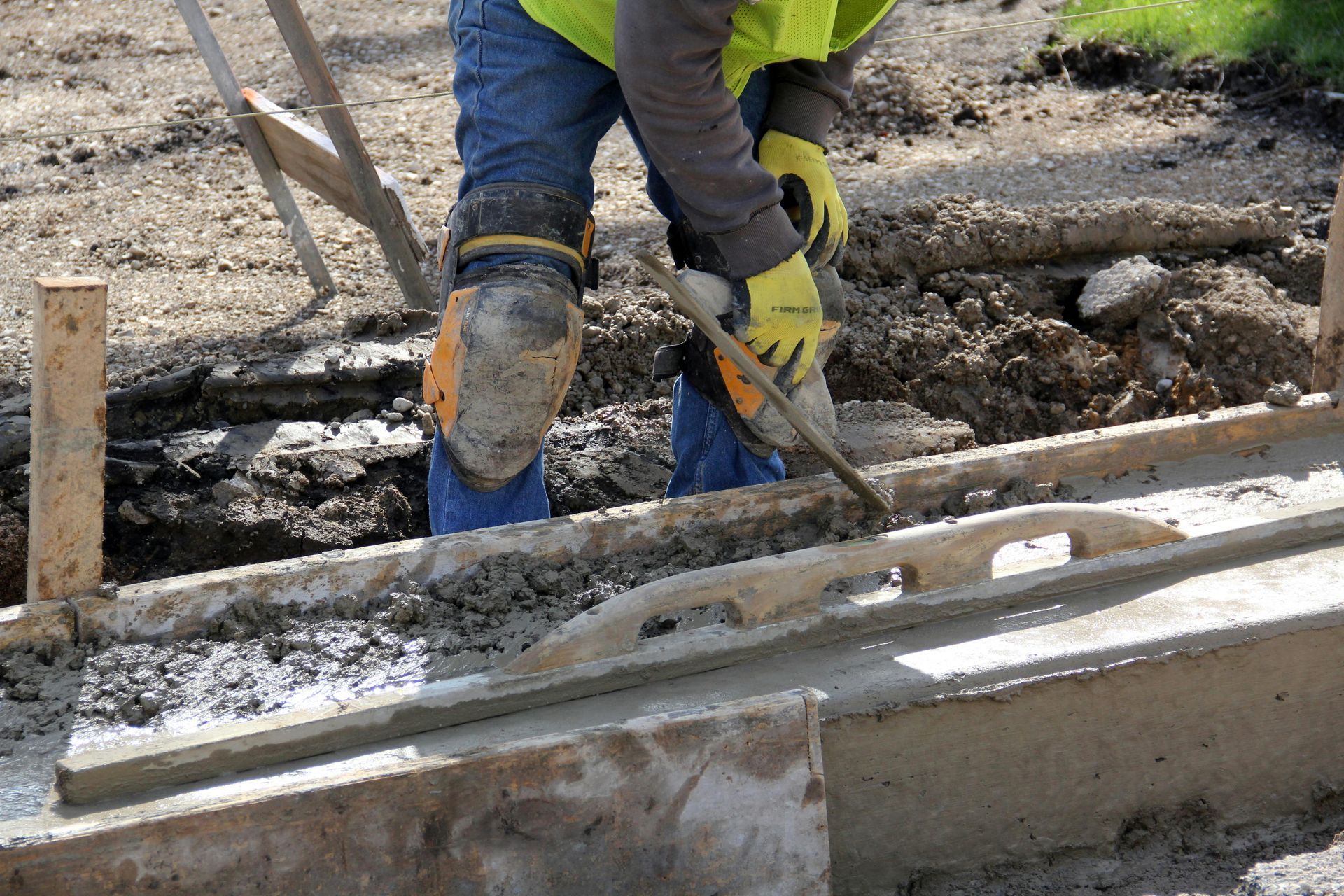
Foundation installation involves excavation below frost line, installation of footing forms and reinforcement, concrete placement, and backfill with drainage considerations. The process includes steps that prevent water accumulation against foundation walls and ensure bearing surfaces remain undisturbed before concrete placement.
Arrange an on-site consultation to assess soil conditions and determine footing depth and drainage requirements.
How Foundations Address Soil and Climate Challenges
Soil type affects bearing capacity and frost susceptibility, which is why footings must reach stable soil below the frost line and spread loads across adequate surface area. Clay soils expand when wet and contract when dry, creating movement that cracks foundations not designed with sufficient depth and reinforcement, while sandy or gravelly soils may require wider footings to distribute weight without settling.
Once the foundation cures and backfill is placed, the structure sits on a stable base that doesn't shift with seasonal freeze-thaw cycles or moisture changes. Properly installed footings transfer building weight to undisturbed soil, and perimeter drainage prevents hydrostatic pressure that causes cracking or water intrusion through foundation walls.
The work includes placement of rebar or reinforcement mesh within footings and walls, vapor barriers beneath slabs where applicable, and provisions for anchor bolts or hardware that connect framing to the foundation. Backfill compaction and grading ensure water drains away from foundation perimeters rather than pooling against walls.
Answers to Frequent Service Questions
Foundation planning requires understanding local frost depth, soil conditions, and building code requirements that affect excavation and reinforcement specifications.
How deep do footings need to be in Hamilton?
Footings must extend below the frost line, typically 36 to 48 inches in western Montana, to prevent heaving when soil moisture freezes and expands beneath the foundation.
What happens if the foundation settles unevenly?
Uneven settling causes cracks in walls and floors, doors that don't close properly, and gaps between framing and foundation—problems that result from inadequate soil compaction, insufficient footing width, or placement on disturbed or organic soil.
Why does perimeter drainage matter?
Water accumulating against foundation walls creates hydrostatic pressure that forces moisture through concrete and causes cracking, which is why gravel backfill and drain tile direct groundwater away from the foundation before pressure builds.
What reinforcement do foundation walls require? Vertical and horizontal rebar placement depends on wall height and soil pressure, with reinforcement tied at intersections and extending into footings to create a continuous structural connection that resists cracking and movement.
Blackfoot Asphalt coordinates foundation installation with site conditions and building schedules throughout Hamilton, Florence, Missoula, and Stevensville. Schedule a planning session to review soil reports and project timelines for your construction.