
Load-Bearing Structures That Resist Movement

Footers and Walls in Stevensville for construction projects requiring structural foundations and retaining walls built to code specifications
Footer and wall installation creates the structural connections and earth retention that prevent settling, cracking, and failure under load or soil pressure.
Blackfoot Asphalt pours footers and constructs foundation walls in Stevensville for residential additions, commercial buildings, and retaining wall projects where soil conditions and frost depth demand correct excavation, reinforcement, and drainage integration. The work addresses situations where structural loads must transfer to stable soil and where grade changes require walls engineered to resist lateral soil pressure without tilting or cracking.
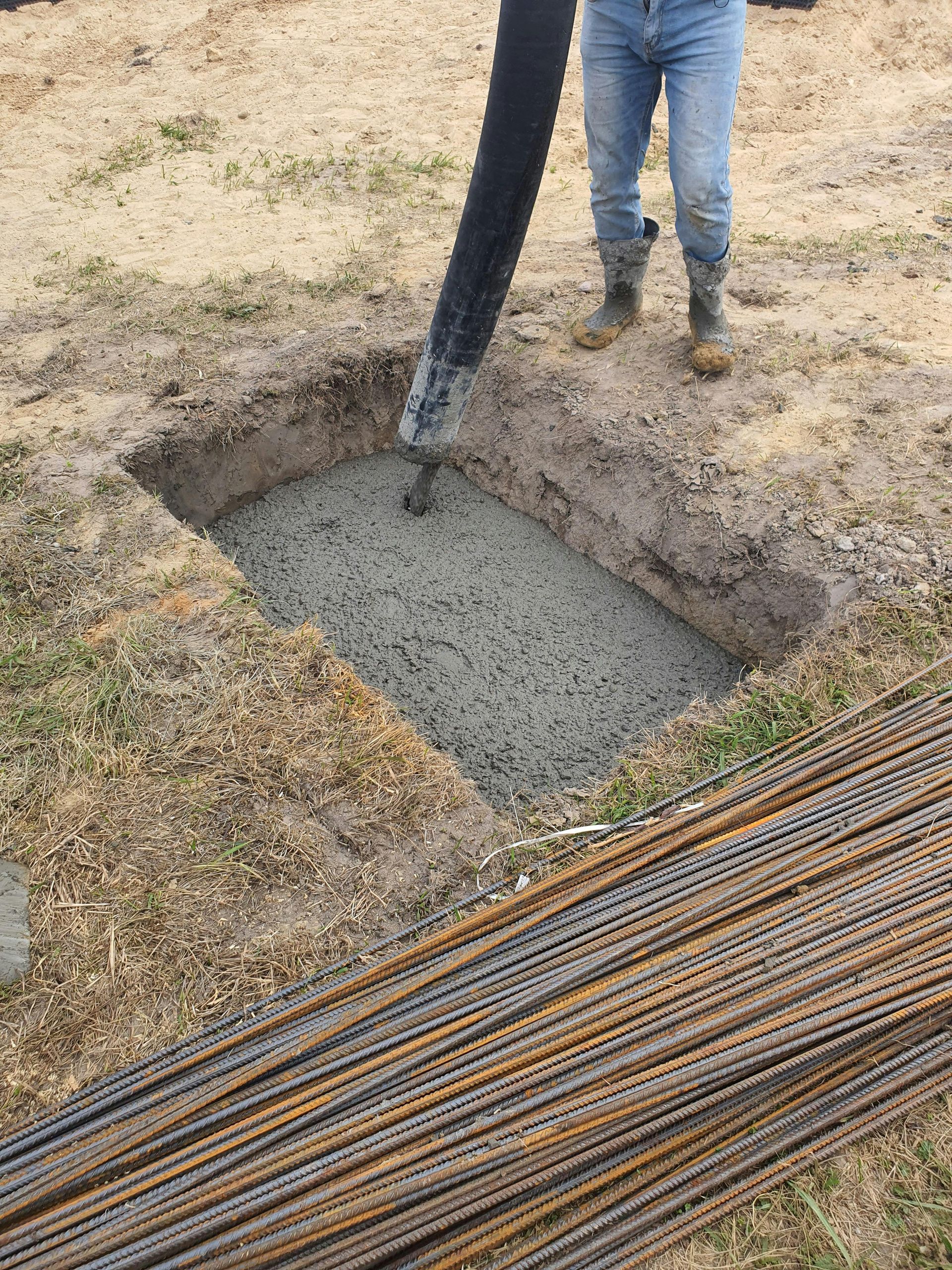
Footer installation involves excavation to bearing soil below frost line, placement of forms and rebar, and concrete pouring to specifications that match structural loads. Wall construction includes reinforcement placement, forming to maintain alignment and plumbness, and backfill procedures that prevent pressure buildup or drainage problems.
Schedule a project review to determine excavation depth, reinforcement requirements, and drainage design for your site.
What Proper Footer and Wall Installation Accomplishes
Footers spread building loads across sufficient soil area to prevent settling, while walls must resist lateral pressure from backfill without leaning or developing cracks. Reinforcement placement and concrete strength are specified based on wall height and retained soil depth, with vertical rebar extending from footers into walls to create structural continuity that handles both vertical loads and horizontal soil pressure.
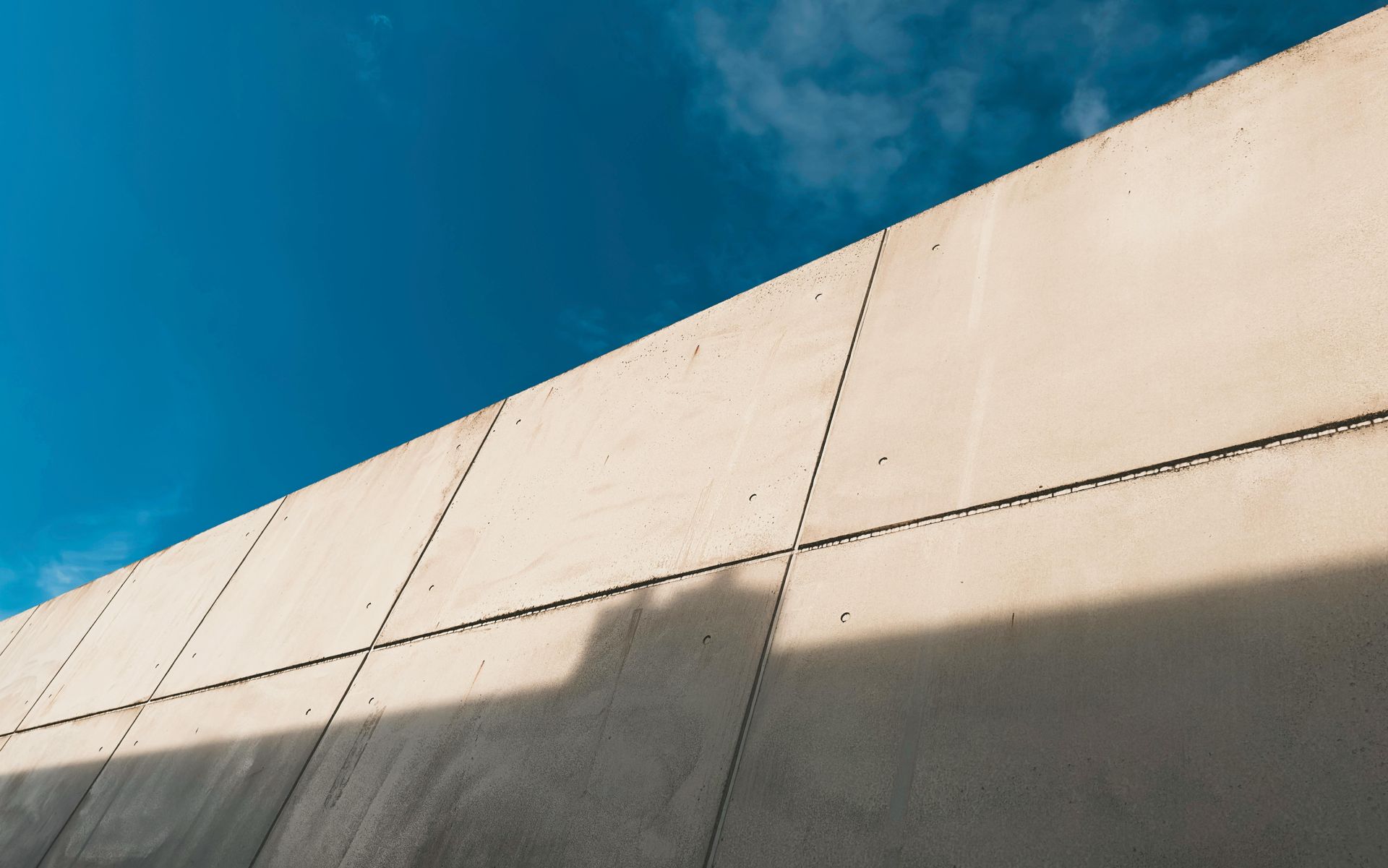
After installation, the footer supports framing or structural loads without movement, and walls retain soil at the designed grade without tilting, cracking, or allowing water intrusion. Drainage systems behind retaining walls prevent hydrostatic pressure from building during wet periods, and weep holes or perforated pipe channel groundwater away from the wall before pressure causes displacement.
The service includes forming systems that maintain dimensional accuracy during concrete placement, tie placement and tensioning for wall forms, and curing procedures that develop specified concrete strength before backfilling begins. Footer width and depth are calculated based on soil bearing capacity and structural loads, with stepped footers used where grade changes occur within the foundation footprint.
Questions Before Starting Your Project
Footer and wall projects require coordination between structural requirements, site conditions, and building code compliance specific to western Montana.
What determines footer width and depth?
Footer dimensions depend on soil bearing capacity and structural loads—wider footers distribute weight across more soil area to prevent settling, and depth must reach stable soil below frost line to avoid heaving during freeze-thaw cycles.
How is reinforcement placed in retaining walls?
Vertical rebar is set into footers before concrete cures, then tied to horizontal rebar as wall forms are built—reinforcement spacing depends on wall height and soil pressure, with closer spacing required for taller walls or heavy surcharge loads.
Why do retaining walls need drainage systems?
Soil retains moisture that creates hydrostatic pressure against walls, and without drainage to relieve that pressure, walls crack or tilt as saturated soil expands and pushes laterally with force that exceeds design limits.
What happens during backfilling?
Backfill is placed in lifts and compacted incrementally to avoid overloading one side of the wall before concrete reaches full strength, with gravel used directly behind the wall to facilitate drainage and prevent fine soil from clogging weep holes or drain systems.
Blackfoot Asphalt provides footer and wall installation for projects throughout Stevensville, Florence, Hamilton, and Missoula. Contact our team to discuss structural specifications and site preparation for your upcoming construction.