
Material Removal That Keeps Projects Moving

Hauling in Hamilton for excavated material, demolition debris, and aggregate delivery
When excavation produces more material than a site can use, or when construction debris needs to leave a property, hauling becomes the next critical step.
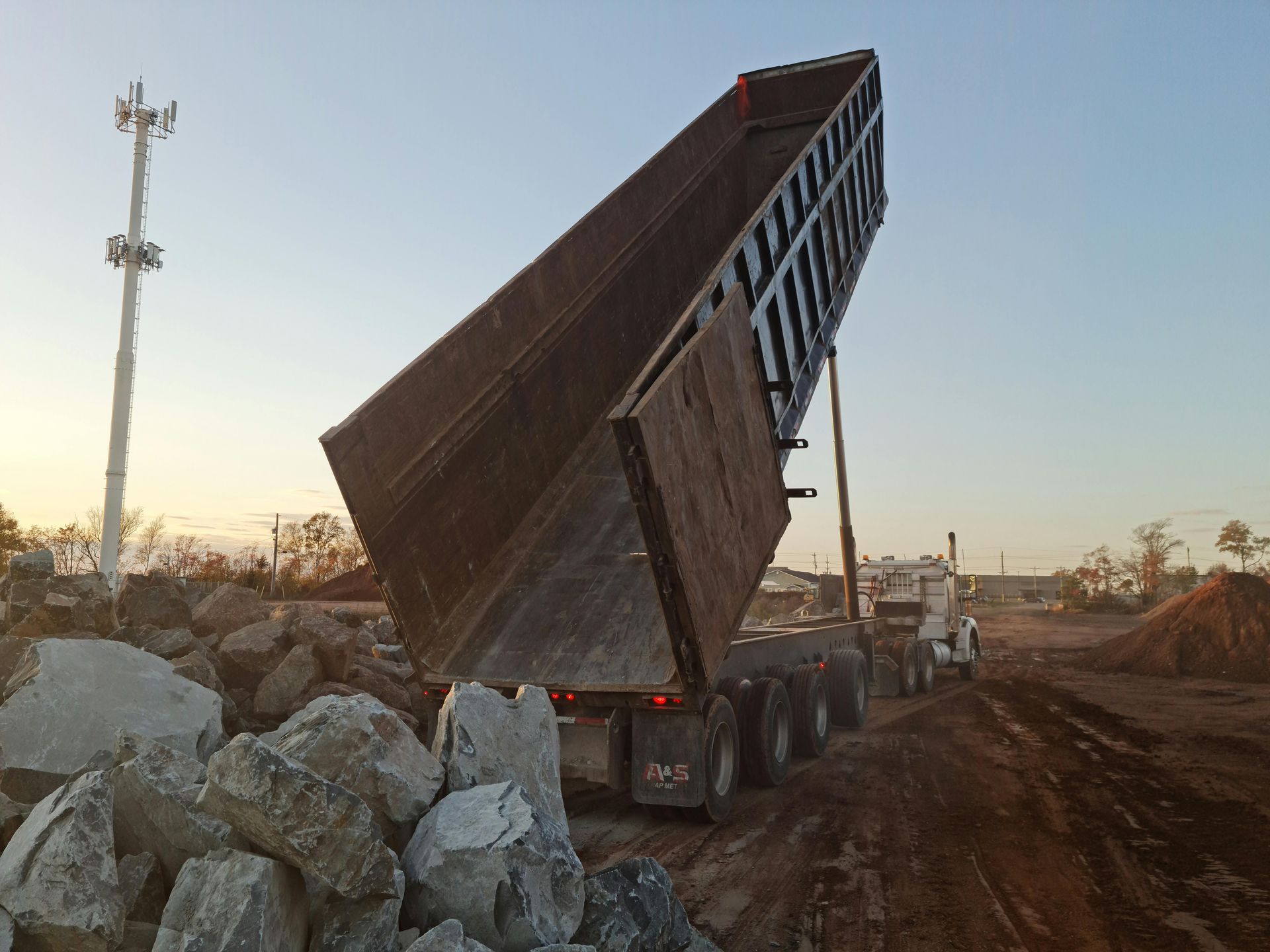
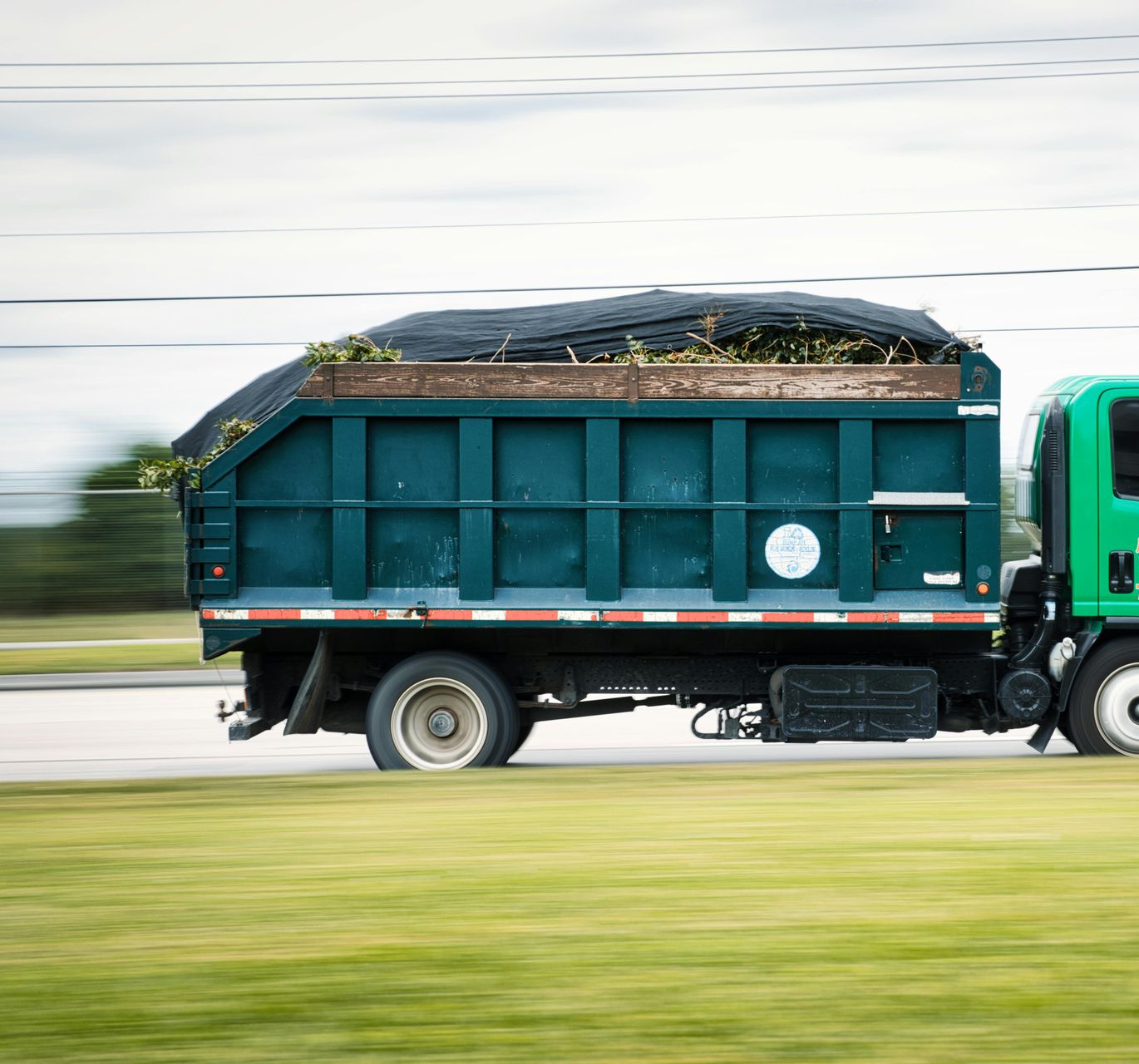
Hamilton properties often generate significant volumes of soil, rock, broken concrete, and asphalt during site work, and that material must go somewhere appropriate—whether it's a designated fill site, recycling facility, or landfill depending on what's being removed. Blackfoot Asphalt coordinates hauling logistics so material removal doesn't stall progress on excavation, demolition, or grading projects.
Hauling involves loading material into trucks with appropriate capacity, transporting it to the correct disposal or recycling location, and returning for additional loads until the site is clear. The number of trips depends on material volume, truck capacity, and how far the haul destination sits from the work site.
Arrange a material removal estimate based on your project's volume and debris type.
How Hauling Addresses Site Clearance
Hauling starts with determining what type of material needs removal, since clean soil, contaminated soil, asphalt, concrete, and mixed debris all go to different locations under Montana disposal regulations. Material gets loaded efficiently to maximize truck capacity without exceeding weight limits, reducing the total number of trips required to clear a site.
After hauling is complete, your property no longer has piles of excavated soil, broken pavement, or demolition debris taking up space. The work area becomes accessible for the next construction phase without material stockpiles blocking equipment movement or creating drainage obstacles. Sites stay organized and timelines stay on track when material leaves as quickly as excavation or demolition produces it.
Hauling also works in reverse—delivering aggregate base, gravel, or topsoil to properties that need material brought in rather than removed. The same equipment and coordination apply whether material is leaving a site or arriving, and scheduling aligns deliveries with when construction crews are ready to use incoming material.
Answers to Frequent Service Questions
Hauling logistics vary based on material type, site access, and disposal location. These answers clarify what happens during material removal and delivery projects.
What determines how many hauling trips a project requires?
Material volume, truck capacity, and weight restrictions all factor into trip counts. A cubic yard of rock weighs significantly more than a cubic yard of soil, so fewer cubic yards fit per truck when hauling dense material.
Where does excavated material go in Hamilton and the Bitterroot Valley?
Clean soil often goes to designated fill sites or other construction projects needing fill material, while asphalt and concrete go to recycling facilities. Contaminated or unsuitable material requires disposal at approved landfill locations.
How does site access affect hauling?
Narrow driveways, low-clearance obstacles, or soft ground limit truck size and may require smaller vehicles making more trips. Properties with restricted access take longer to clear than sites with direct road access for large trucks.
When should hauling be scheduled during a project?
Hauling happens continuously during excavation or demolition to prevent material from accumulating and blocking work areas. Coordinating hauling with active digging keeps the site functional and prevents double-handling of material.
Blackfoot Asphalt handles both hauling logistics and coordination with disposal facilities so material removal doesn't interrupt your project timeline. Contact us to review hauling requirements and schedule material removal that aligns with your construction phases.