
Site Preparation Built for Montana Terrain

Excavating in Florence for ground clearing, grading, and foundation preparation
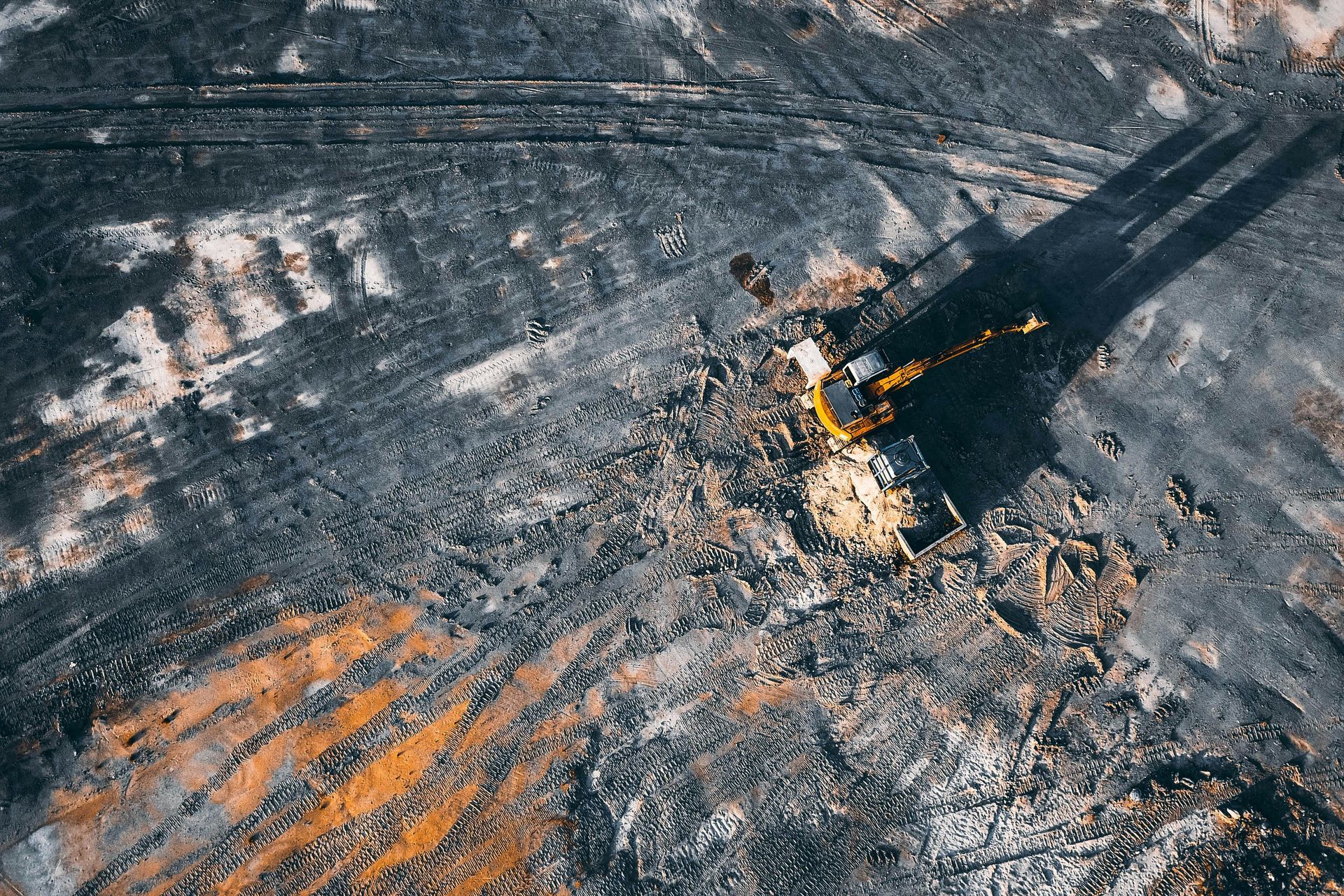
Excavating work in Florence and surrounding western Montana communities addresses everything from new construction site preparation to drainage correction and utility trench installation. Blackfoot Asphalt handles excavation projects across varying soil conditions, from rocky mountain terrain to clay-heavy valley ground. The equipment and approach depend entirely on what lies beneath the surface and what the finished grade needs to accomplish.
This service involves removing soil to specified depths, establishing proper slope and drainage pathways, and compacting subgrade material to support structures or paving. Montana's freeze-thaw cycles make proper excavation depth and compaction critical—inadequate subgrade preparation leads to settling, cracking, and drainage failures once frost begins working through the ground each winter.
Schedule a site evaluation to determine excavation requirements based on your soil type and project specifications.
What Proper Excavation Requires
Excavation begins with locating underground utilities and assessing soil composition, which determines how the ground will behave during removal and compaction. Rocky substrates common in western Montana require different equipment than softer valley soils, and the excavation plan accounts for where removed material goes—whether it's redistributed on-site for grading or hauled away entirely.
Once excavation reaches the required depth and grade, you'll see a level working surface with proper slope directing water away from structures. Compacted subgrade won't shift under weight, and drainage pathways prevent water from pooling against foundations or under pavement. Blackfoot Asphalt ensures the excavated area matches engineering specifications so the next construction phase—whether it's pouring concrete or laying base material—starts from solid, stable ground.
Excavation projects also include removing unsuitable material when encountered, such as organic topsoil or excessively wet clay that won't compact properly. The depth and extent of excavation adjust based on what's found during digging, and the timeline depends on ground conditions, rock content, and how much material needs to be moved or redistributed.
What Property Owners Usually Ask
Excavation projects in Florence and the Bitterroot Valley raise practical questions about process, timing, and site conditions. These answers address what happens during the work and what affects how excavation unfolds.
What happens if rock is encountered during excavation?
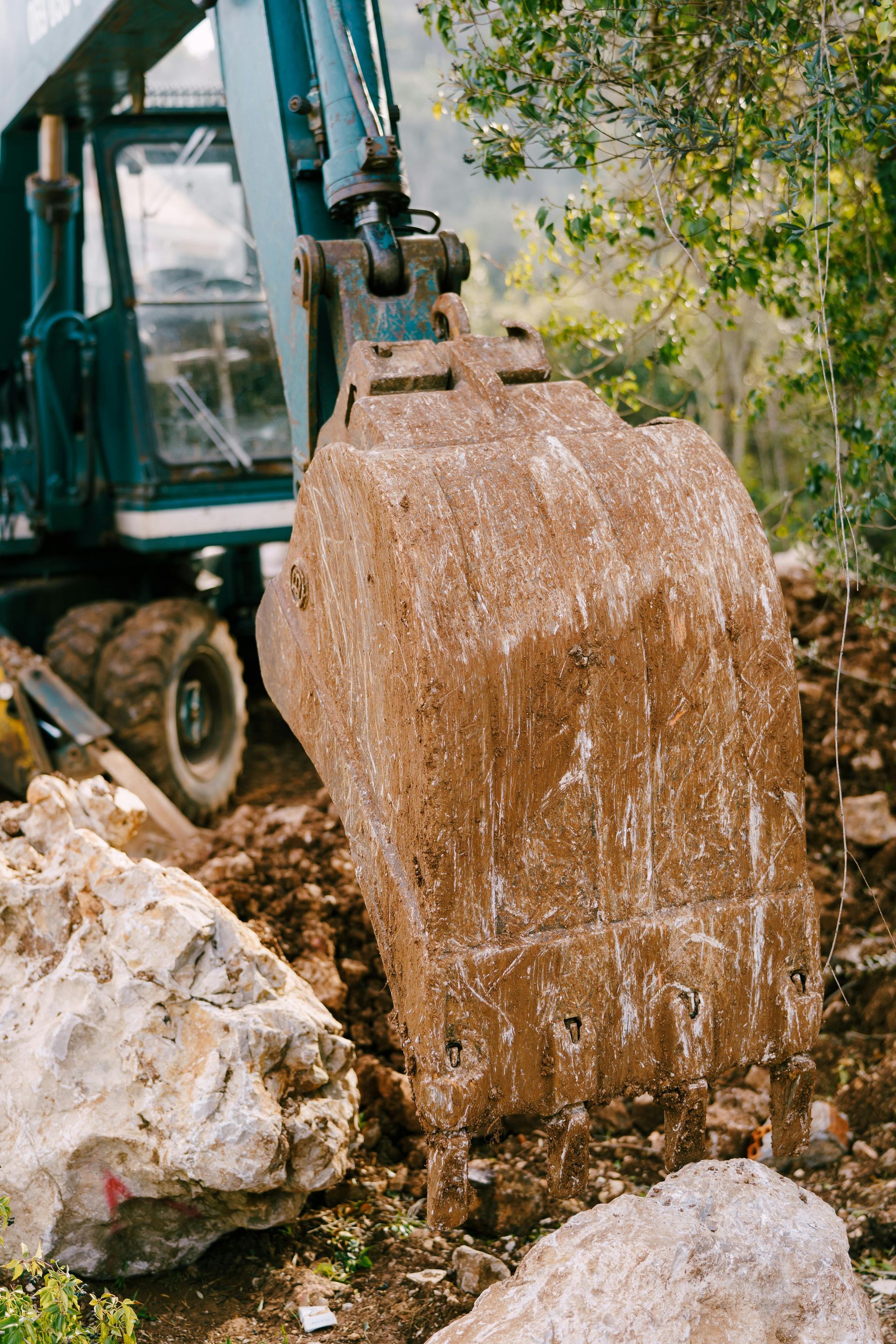
Rock requires different equipment than soil removal, and the excavation approach adjusts to break through or remove rock layers depending on depth and hardness. The timeline extends when solid rock appears where soil was expected.
How does soil type affect excavation in Florence?
Clay-heavy soils common in valley areas compact differently than rocky or sandy substrates, and moisture content affects how soil behaves during removal. Wet clay becomes difficult to grade and compact, while dry rocky soil may require water added for proper compaction.
When should excavation be scheduled for new construction?
Excavation typically happens after site clearing and utility location but before any foundation or paving work begins. Scheduling during dry weather prevents equipment from rutting soft ground and allows better compaction control.
What determines excavation depth?
Foundation requirements, frost line depth, drainage needs, and final grade elevations all dictate how deep excavation must go. Montana's frost line requires excavation below the depth where ground freezing could cause heaving.
Blackfoot Asphalt coordinates excavation timing with project schedules and weather conditions to keep work moving efficiently. Request an on-site assessment to review excavation scope and ground conditions specific to your property.